Hidden Calories in Your Favorite Foods: How Mindless Eating Leads to Weight Gain Without You Noticing
Jessica Madison
•
September 18, 2025
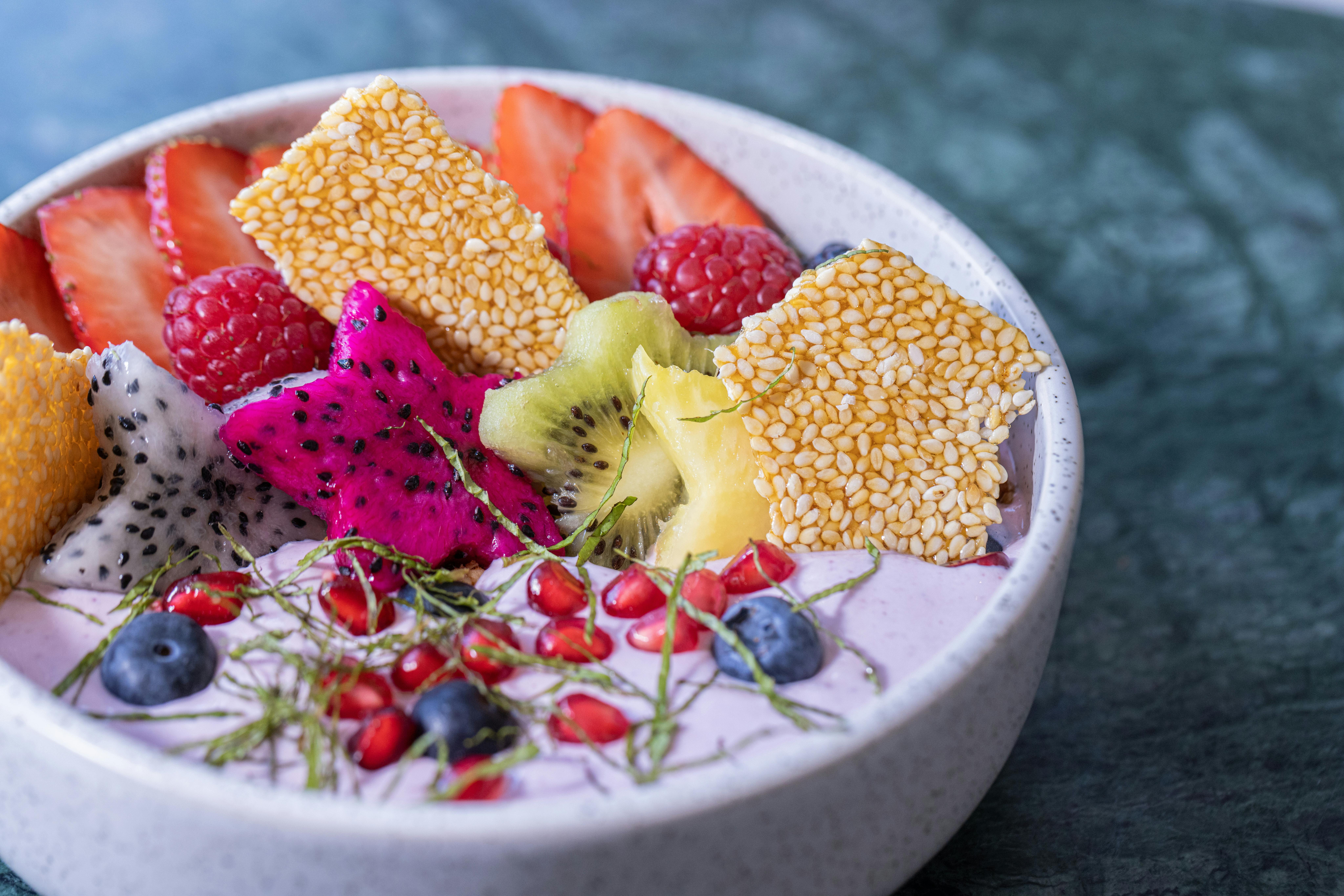
Weight gain doesn’t always come from overeating obvious culprits like fast food or desserts. Sometimes, it’s the hidden calories—those sneaky extras in sauces, drinks, snacks, and even so-called “healthy foods”—that silently add up. Combined with mindless eating habits, these calories can lead to gradual weight gain without you realizing it. This article explores where hidden calories come from, why mindless eating makes the problem worse, and how to take control of your daily intake.
1. What Are Hidden Calories?
Calories that sneak into meals through extras like dressings, oils, sugar, condiments, or processed ingredients.
Often overlooked because they don’t feel like “real food.”
Example: A salad might seem healthy, but creamy dressing can double or triple its calorie count.
2. Common Sources of Hidden Calories
a. Beverages
Sugary sodas, flavored coffees, energy drinks, and even fruit juices.
Example: A medium caramel latte can have over 250 calories—almost the same as a chocolate bar.
b. Sauces and Condiments
Ketchup, mayonnaise, ranch dressing, and barbecue sauce add up quickly.
A tablespoon of mayo contains around 90 calories.
c. Snack Foods
“Healthy” granola bars, trail mixes, or protein shakes often contain added sugars and fats.
Packaged snacks are calorie-dense but rarely satisfying.
d. Cooking Oils and Butter
Olive oil is healthy but high in calories—just 2 tablespoons equal ~240 calories.
Hidden oils in restaurant food can double calorie intake.
e. Processed “Health Foods”
Gluten-free cookies, low-fat yogurts, and vegan desserts may still be packed with sugar and additives.
3. The Role of Mindless Eating
a. Eating While Distracted
Watching TV, scrolling on the phone, or working while eating reduces awareness.
Leads to overeating because the brain doesn’t register fullness properly.
b. Portion Distortion
Supersized restaurant servings normalize large portions.
People often underestimate how many calories are in a serving.
c. Emotional Eating
Stress, boredom, or sadness can trigger snacking on calorie-dense foods.
These foods rarely satisfy hunger but add significant extra calories.
4. How Hidden Calories Lead to Weight Gain
Extra 200–300 calories a day = weight gain of 1–2 pounds per month.
High-calorie beverages and snacks don’t provide satiety → people eat more without noticing.
Over time, this creates a “silent surplus” that builds fat storage.
5. Practical Strategies to Reduce Hidden Calories
a. Drink Smarter
Replace sodas and flavored coffees with water, green tea, or black coffee.
Infuse water with lemon, cucumber, or mint for flavor.
b. Control Portions
Use smaller plates and measure oils, nuts, and dressings.
Stick to serving sizes for packaged snacks.
c. Be Sauce-Smart
Choose tomato-based sauces instead of cream-based.
Use spices, herbs, and lemon juice for flavor instead of heavy condiments.
d. Read Labels
Check sugar, fat, and calorie content in “healthy” packaged foods.
Don’t fall for marketing terms like “low-fat” or “sugar-free” without checking nutrition facts.
e. Practice Mindful Eating
Eat slowly, chew thoroughly, and savor flavors.
Avoid screens during meals to recognize fullness cues.
6. The Balanced Approach
Cutting out all extras is unnecessary—awareness is key.
Enjoy favorite foods occasionally but balance them with nutrient-dense meals.
Small daily adjustments (like replacing soda with water) prevent long-term weight gain.
1. What Are Hidden Calories?
Calories that sneak into meals through extras like dressings, oils, sugar, condiments, or processed ingredients.
Often overlooked because they don’t feel like “real food.”
Example: A salad might seem healthy, but creamy dressing can double or triple its calorie count.
2. Common Sources of Hidden Calories
a. Beverages
Sugary sodas, flavored coffees, energy drinks, and even fruit juices.
Example: A medium caramel latte can have over 250 calories—almost the same as a chocolate bar.
b. Sauces and Condiments
Ketchup, mayonnaise, ranch dressing, and barbecue sauce add up quickly.
A tablespoon of mayo contains around 90 calories.
c. Snack Foods
“Healthy” granola bars, trail mixes, or protein shakes often contain added sugars and fats.
Packaged snacks are calorie-dense but rarely satisfying.
d. Cooking Oils and Butter
Olive oil is healthy but high in calories—just 2 tablespoons equal ~240 calories.
Hidden oils in restaurant food can double calorie intake.
e. Processed “Health Foods”
Gluten-free cookies, low-fat yogurts, and vegan desserts may still be packed with sugar and additives.
3. The Role of Mindless Eating
a. Eating While Distracted
Watching TV, scrolling on the phone, or working while eating reduces awareness.
Leads to overeating because the brain doesn’t register fullness properly.
b. Portion Distortion
Supersized restaurant servings normalize large portions.
People often underestimate how many calories are in a serving.
c. Emotional Eating
Stress, boredom, or sadness can trigger snacking on calorie-dense foods.
These foods rarely satisfy hunger but add significant extra calories.
4. How Hidden Calories Lead to Weight Gain
Extra 200–300 calories a day = weight gain of 1–2 pounds per month.
High-calorie beverages and snacks don’t provide satiety → people eat more without noticing.
Over time, this creates a “silent surplus” that builds fat storage.
5. Practical Strategies to Reduce Hidden Calories
a. Drink Smarter
Replace sodas and flavored coffees with water, green tea, or black coffee.
Infuse water with lemon, cucumber, or mint for flavor.
b. Control Portions
Use smaller plates and measure oils, nuts, and dressings.
Stick to serving sizes for packaged snacks.
c. Be Sauce-Smart
Choose tomato-based sauces instead of cream-based.
Use spices, herbs, and lemon juice for flavor instead of heavy condiments.
d. Read Labels
Check sugar, fat, and calorie content in “healthy” packaged foods.
Don’t fall for marketing terms like “low-fat” or “sugar-free” without checking nutrition facts.
e. Practice Mindful Eating
Eat slowly, chew thoroughly, and savor flavors.
Avoid screens during meals to recognize fullness cues.
6. The Balanced Approach
Cutting out all extras is unnecessary—awareness is key.
Enjoy favorite foods occasionally but balance them with nutrient-dense meals.
Small daily adjustments (like replacing soda with water) prevent long-term weight gain.